
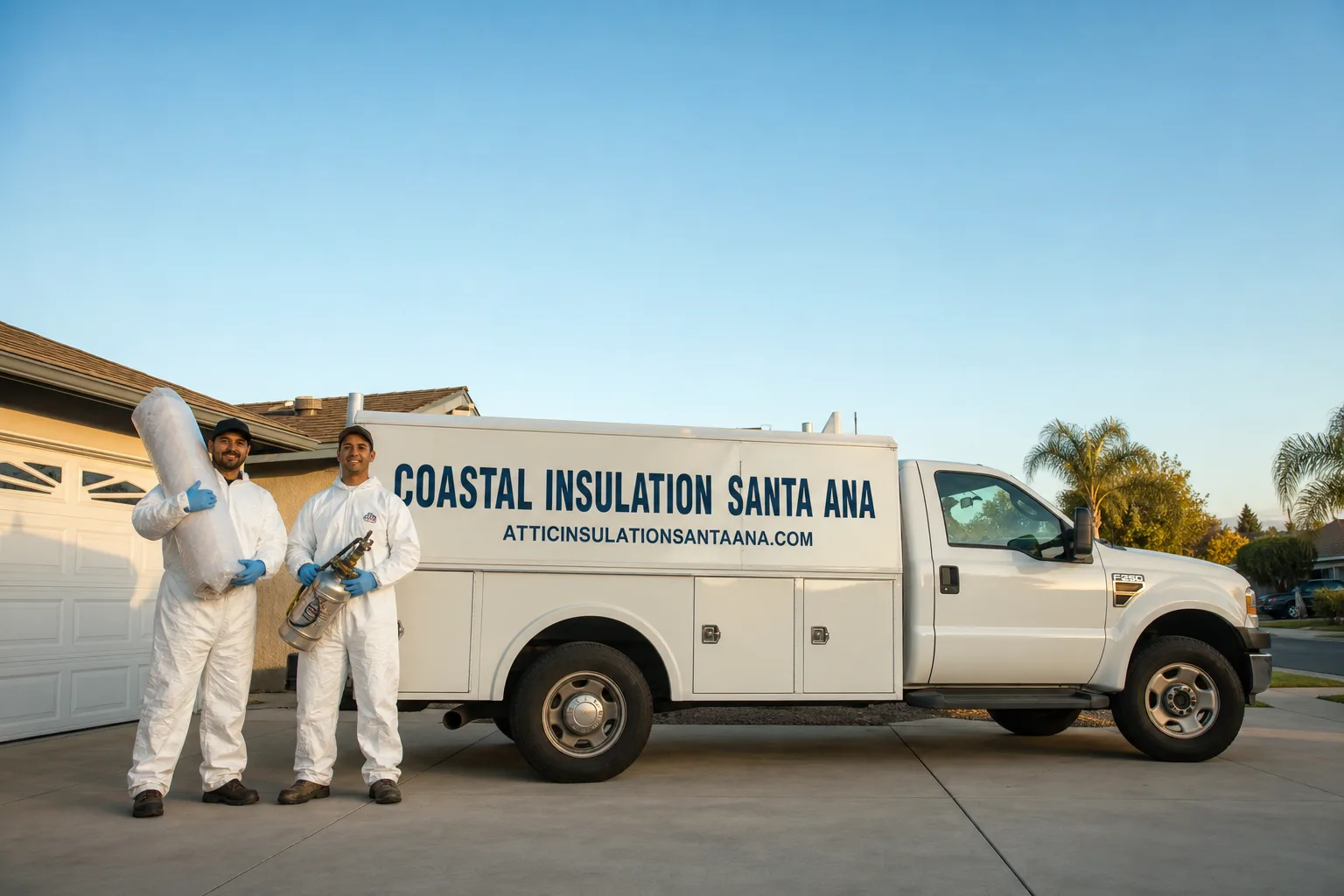
Attic Insulation in Brea, CA: What to Expect and What It Costs
Attic insulation in Brea typically costs $2,500 to $7,500 for a full replacement in an average 1,800-square-foot single-story home, with top-ups running $900 to $2,200. Most homes in Brea need the work done within one to two days, and the real question isn’t whether you need insulation. It’s whether the insulation you have is doing anything at all. We serve every Brea neighborhood, from the 1960s ranch tracts near downtown to the hillside developments off Carbon Canyon Road.
Call (714) 793-0570 for a free attic assessment. We’ll measure what you have, show you what’s failing, and give you a written quote before any work begins.
Why Brea’s Housing Stock Makes Attic Insulation Tricky
Brea is two different cities from an insulation standpoint, and you can see it from the street. The flatlands near downtown, roughly bounded by Brea Boulevard, Imperial Highway, and Lambert Road, are mostly single-story 1950s-1970s ranch and split-level homes. Those attics have original fiberglass batts that were installed before California’s Title 24 energy code existed, often rated R-11 or less, now compressed and settled after fifty-plus years of foot traffic from cable installers and HVAC technicians. A compressed R-11 batt can test at R-6 or lower. It’s not insulation anymore. It’s a filter holding dust.
The hillside tracts change the math completely. Olinda Ranch, Blackstone, and the newer developments climbing the Puente Hills were built in the 1990s and 2000s with concrete tile roofs over OSB decking and large vaulted attic cavities. Those neighborhoods sit on dark chaparral slopes with no coastal breeze, and they routinely measure attic temperatures above 150°F on August afternoons. A big reason: builders during that phase of Brea’s hill development skipped radiant barriers under the tile roofs. That shortcut is now a consistent callback driver for insulation upgrades we perform across Brea.
How Brea’s Climate Makes Attic Insulation Work Harder
Brea sits well inland and lacks the marine-layer buffer that keeps Fullerton and Anaheim ten degrees cooler on summer afternoons. July and August highs land in the mid-to-upper 90s routinely, and those vaulted attics in Olinda Ranch soak up every degree. The summer cooling load in Brea is meaningfully higher than in cities just ten miles south. If your attic insulation is thin, your air conditioner is fighting a losing battle against a 150°F attic pressing heat through the ceiling.
Then there’s the wind. Carbon Canyon funnels Santa Ana events through the northern edge of Brea each fall with enough force to strip moisture from the hillsides. Those same winds push air through every unsealed attic bypass: top plates, recessed light cans, plumbing penetrations, the gaps around chimneys. Air-sealing is not an upgrade in Brea. It’s the precondition that makes insulation actually perform. We won’t blow insulation into an unsealed attic and call it done. The next Santa Ana will pull heated air out through your ceiling plane, and you’ll wonder why the insulation “didn’t work.”
Our Attic Insulation Services in Brea
Coastal Insulation is a dedicated Attic Insulation contractor. We’re not a generalist remodeler picking up insulation work between kitchen jobs. Owner Ruben Castellano is on every Brea job site, personally installing or directly overseeing the work. You don’t get a crew of unsupervised subs. You get the person who quoted the job doing the job.
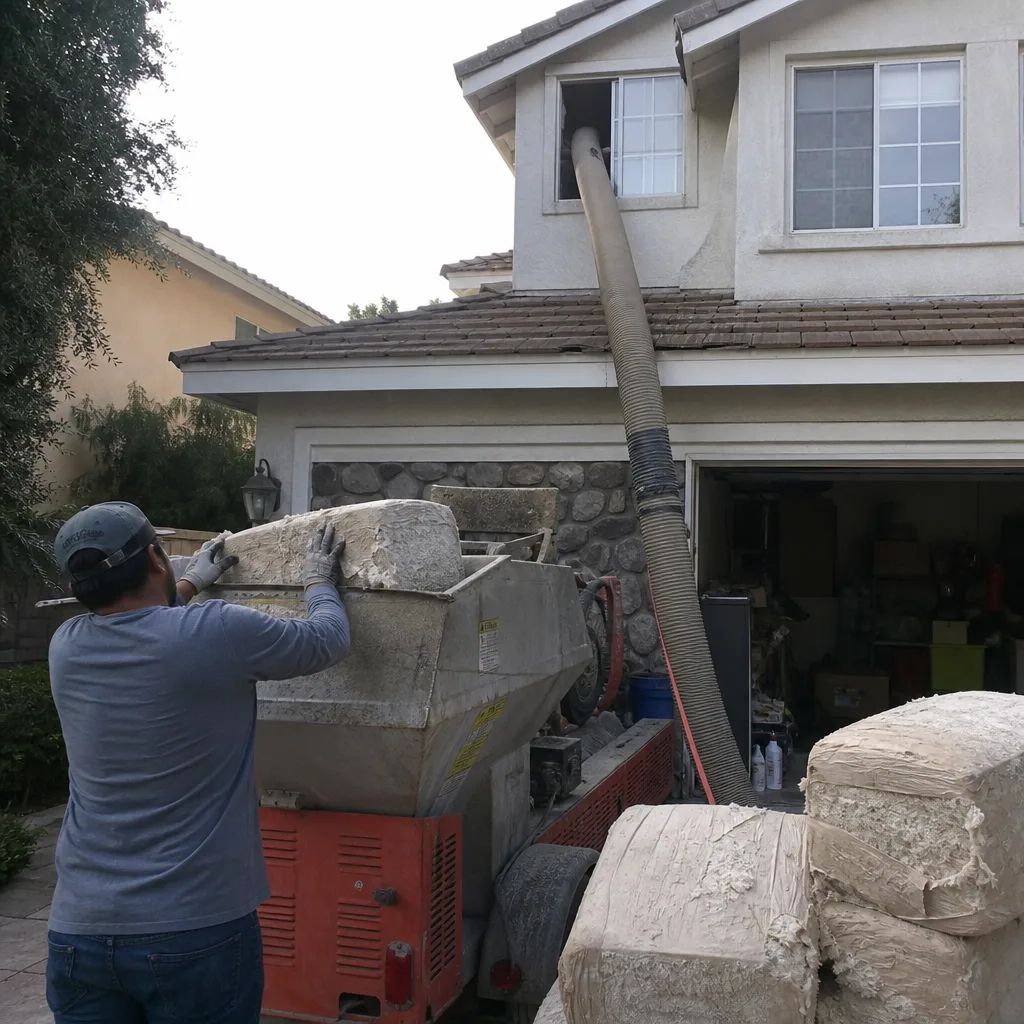
Blown-In Attic Insulation
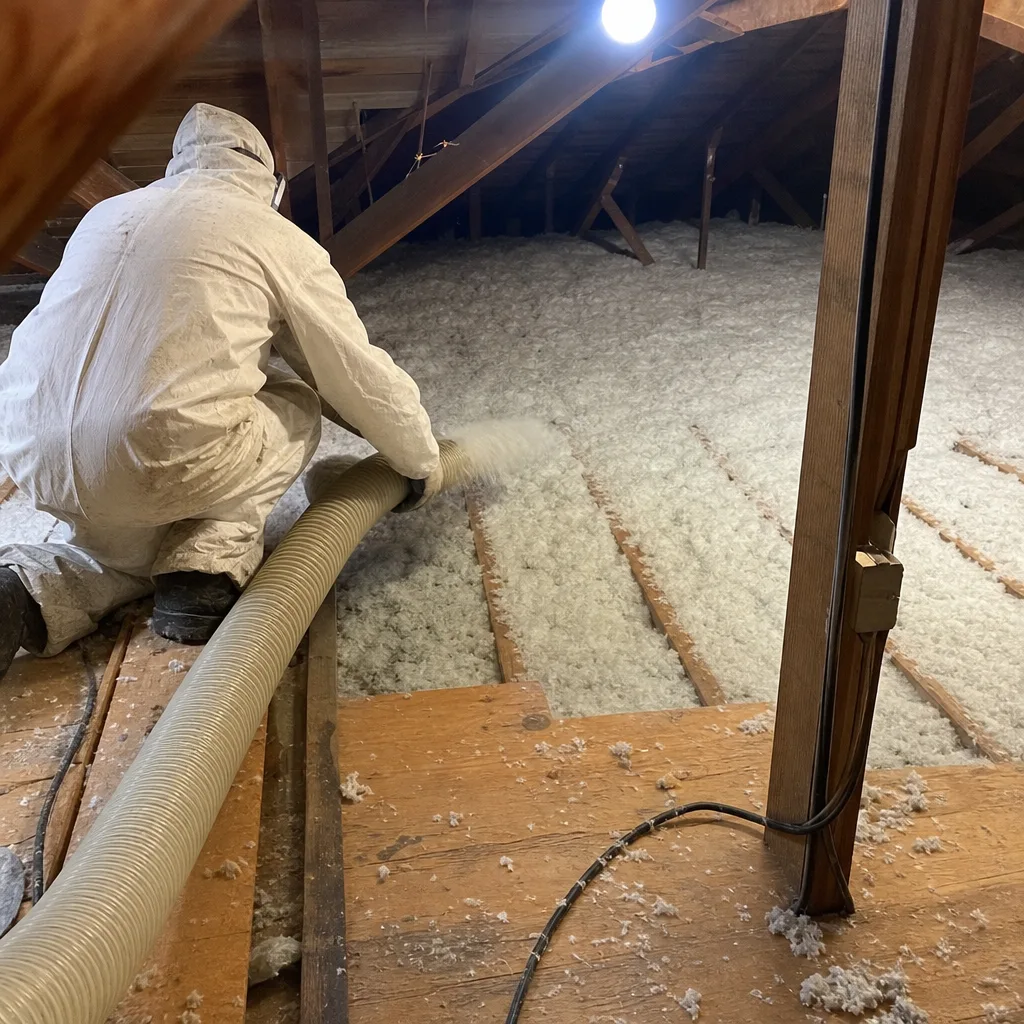
Blown-in fiberglass or cellulose is the workhorse for most Brea attics, especially the flatland ranches with standard joist cavities. We install Owens Corning AttiCat fiberglass and GreenFiber cellulose, matched to the attic geometry. Blown-in fills around irregular framing, electrical runs, and vent pipes far better than batts ever will. In Brea’s older ranch attics, we typically blow to R-38 or R-44, which means ten to twelve inches of settled depth.
Attic Batt Insulation
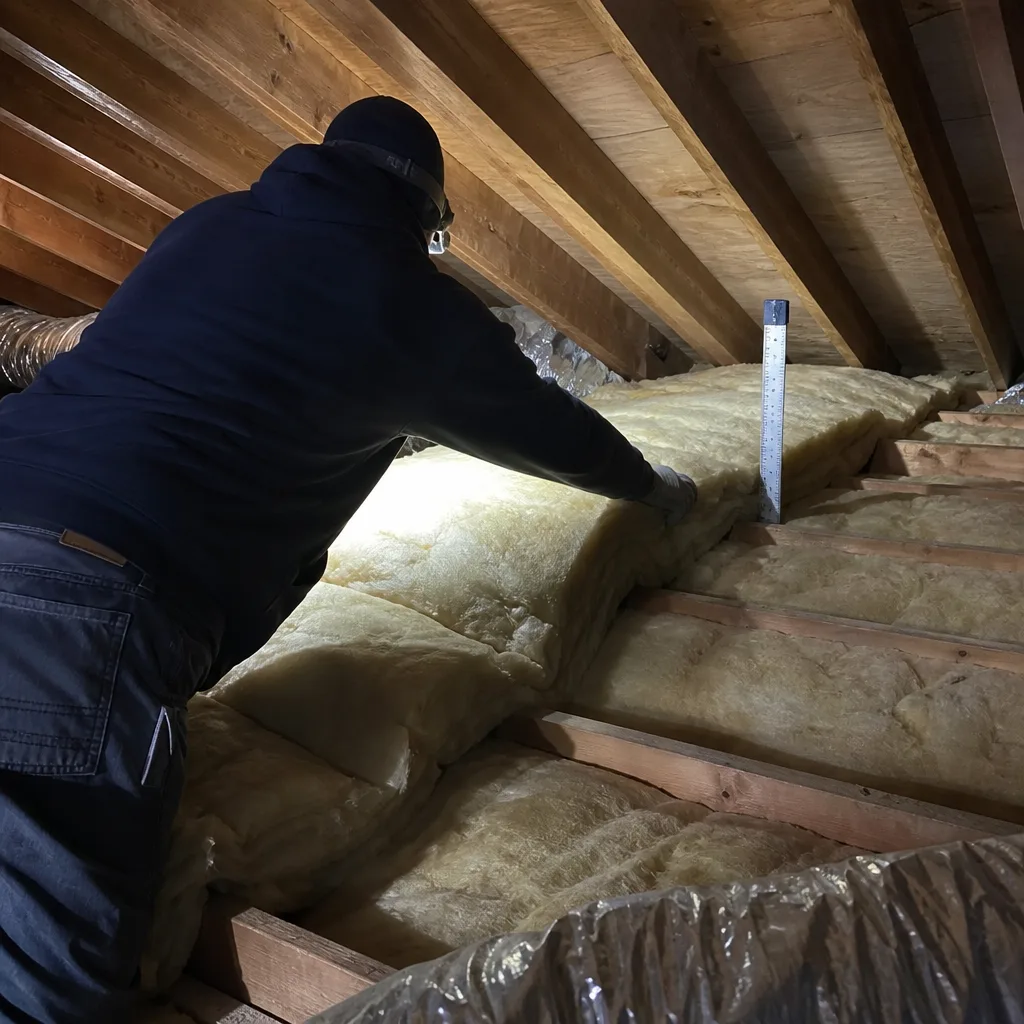
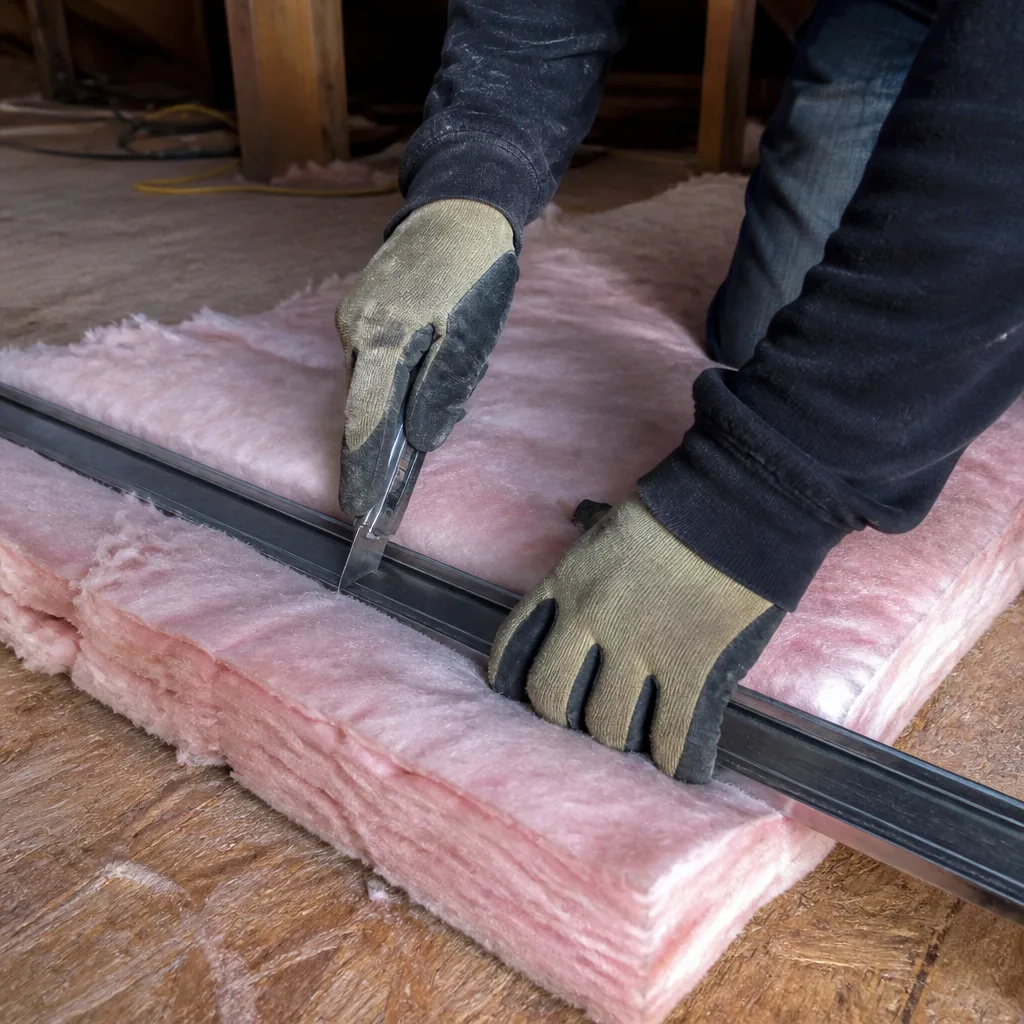
Batt insulation makes sense when the attic has clean, accessible joist bays and the homeowner wants a material with defined R-value per inch. We often specify Johns Manville or Knauf batts for topped-off flatland attics and for sidewall knee walls in hillside homes where blown-in would slide. Batts also work well in vaulted ceiling cavities where loose-fill would heap against the roof deck and leave the ceiling plane starved.
Attic Insulation Top-Up
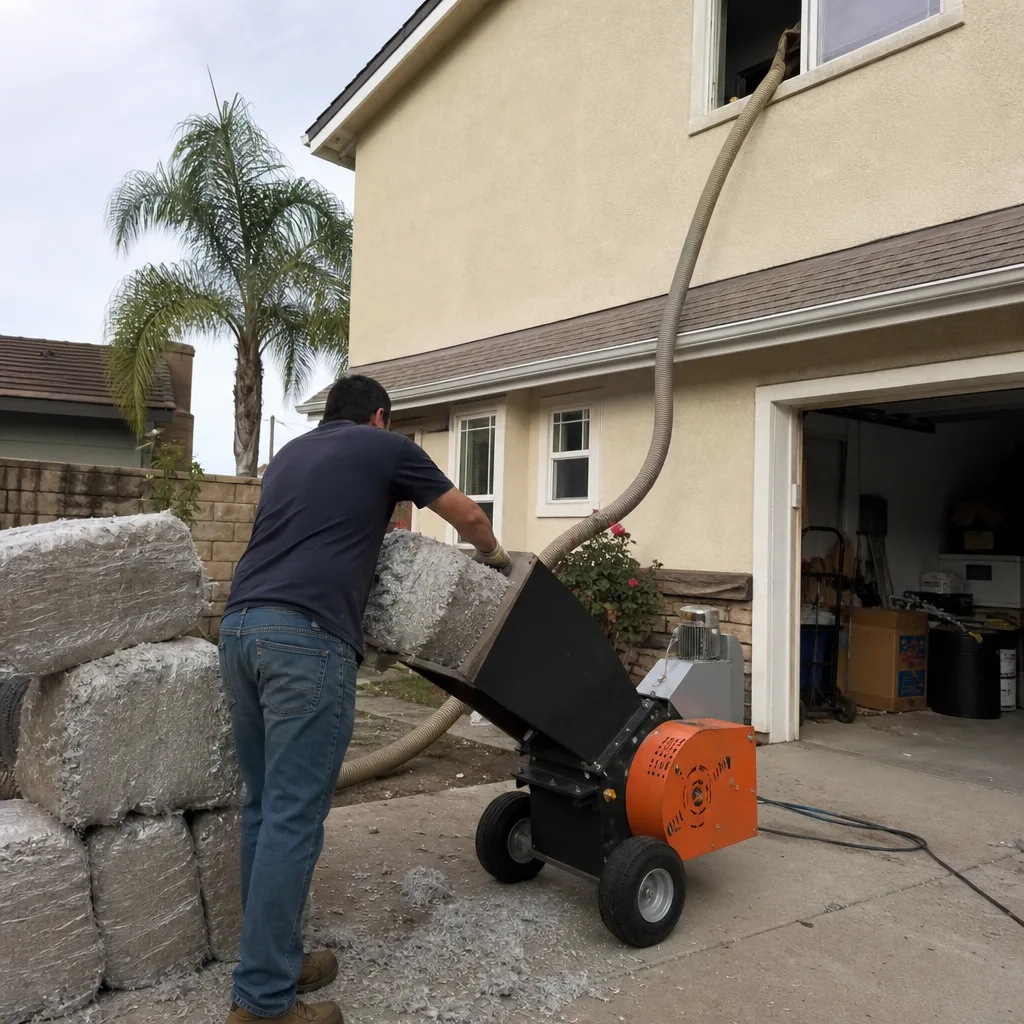
If your Brea home has some insulation but it’s settled or thin, a top-up is often the most cost-effective move. We add blown-in over the existing material to bring the total to R-38 or better. But we check compression first. If the old batts are matted and dense, adding loose-fill over them doesn’t fix the underlying problem. In those cases we’ll recommend removal and a clean replacement. Top-ups in Brea typically run $900 to $2,200 depending on square footage and access.
Attic Insulation Replacement
Replacement is the right call when the existing material is compacted, rodent-contaminated, moisture-damaged, or just too old to perform. We remove the old insulation, sanitize the attic floor where needed, air-seal the ceiling plane, and install fresh material to current recommended levels. In Brea flatland ranches built between 1955 and 1975, this is one of the highest-return upgrades we do. The original R-11 is gone functionally. Replacing it properly changes how the whole house feels within the first week.
Attic Baffles & Ventilation Prep
Baffles are the blue-collar heroes of attic insulation in Brea. They keep blown-in material from piling over the soffit vents, which would choke airflow and turn your attic into a heat trap. Hillside homes with steep roof pitches are especially prone to soffit blockage when loose-fill is blown too close to the eaves. We install baffles before blowing insulation, every single time. On the Blackstone and Olinda Ranch tracts, we often find builder-grade baffles crushed or missing entirely.
What happens when you call
- 1
A real person answersNo phone trees — you reach a local pro.
- 2
You get an upfront price rangeHonest numbers before anyone is dispatched.
- 3
A background-checked tech heads outLicensed & insured, dispatched right away.
- 4
You approve before work beginsNothing starts until you say go.
What We See in Brea Attics: Field Notes
Our crew recently topped up a 1960s ranch on the flat central grid near downtown Brea where the original fiberglass batts had settled to R-9. We air-sealed the ceiling plane around the can lights and top plates, then blew in Owens Corning AttiCat to R-38 and added baffles to keep the soffit vents clear, a level of care that matches what we’d deliver on any Reflectix repair in Brea. The homeowner saw a 12°F drop in the upstairs hallway during the next Carbon Canyon Santa Ana event. That’s the difference between sealing and not sealing.
In hillside stucco-and-tile homes, we see a different failure pattern. Blown-in fiberglass piles against the roof deck in vaulted cavities but leaves large gaps above the ceiling plane itself. The insulation looks thick from the attic access hatch, but it isn’t covering the surface that actually matters. We check depth over the ceiling, not just the pile height against the rafters. Most Brea insulation quotes don’t include that measurement. Ours does.
Trusted Brands We Specify in Brea
We work with Johns Manville, Knauf, and Rockwool because different Brea homes need different materials. A flatland ranch with standard joist spacing might get Knauf batts for a clean top-up. A hillside home with fire-prone chaparral exposure might get Rockwool mineral wool for its fire resistance and sound-dampening, especially in second-floor bedrooms over living areas. A homeowner who wants recycled content and excellent air-sealing properties might get Johns Manville blown-in fiberglass. We stock materials locally and can typically begin work in Brea within three to five business days of the estimate.
Common Attic Insulation Problems We See in Brea Homes
- Compressed R-11 in flatland ranch attics. Fifty-plus years of settling and foot traffic compresses fiberglass batts down to a fraction of their rated R-value. A batt that started at R-11 can test at R-6, which means your ceiling is essentially uninsulated by modern standards.
- Vaulted cavity gaps in hillside homes. Blown-in fiberglass in a steep vaulted attic often HHH piles deep at the ridge but leaves thin coverage over the ceiling plane where you actually live. We measure depth over the ceiling, not just total volume installed.
- Santa Ana infiltration through unsealed bypasses. Carbon Canyon winds push air through top plates, can light holes, and plumbing penetrations. Even fresh insulation underperforms if the ceiling plane leaks air badly.
- Missing or crushed soffit baffles in 1990s hillside tracts. When builders skipped radiant barriers and skimped on baffles, the attic ventilation gets starved and the cavity overpressures with heat. Bad airflow plus missing radiant barrier equals a 150°F attic in August.
Pricing for Attic Insulation in Brea, CA
Here’s what Brea homeowners pay in the current market.
| Service | Typical Range in Brea |
|---|---|
| Attic Insulation Top-Up (blower-applied) | $900 – $2,200 |
| Attic Insulation Replacement (full removal + new install) | $2,500 – $7,500 |
| Attic Batt Installation (clean joist bays) | $1,500 – $3,800 |
| Air-Sealing + Baffle Prep (before blowing) | $400 – $1,200 |
Several factors move the number: square footage, attic access, whether we’re removing contaminated material, and how much air-sealing the ceiling plane needs. Hillside homes in Olinda Ranch and Blackstone generally run higher because the vaulted geometries take more labor and material. Call (714) 793-0570 for an exact quote. The estimate is free, and Ruben walks the attic himself before quoting anything.
We Also Serve Cities Near Brea
Beyond Attic Insulation in Brea, our crews work throughout north Orange County. We regularly handle insulation projects in La Habra, Placentia, Yorba Linda, and Villa Park, plus the surrounding unincorporated pockets near Carbon Canyon. If you’re in one of those areas, the same owner-led crew and material matching applies.
Serving Brea, CA — Our Local Coverage Area
We’re based in the Brea area and know this community well. Use the map below to see our service coverage — if you’re nearby, we can almost certainly help.
FAQs — Attic Insulation in Brea
Concrete tile alone does not stop radiant heat transfer. The tile absorbs solar heat and reradiates it downward into the attic cavity, which is why those neighborhoods routinely hit 150°F in August. A radiant barrier under the roof deck reflects that heat away before it reaches the insulation. Many 1990s-era Brea hillside homes were built without one, and adding it during an insulation upgrade is the single biggest improvement you can make to summer cooling loads. Call (714) 793-0570 for an in-attic assessment.
Almost certainly not. A 1965 ranch in Brea typically has R-11 batts that have settled and been compressed by decades of foot traffic. In real-world testing, those batts are performing at R-6 or lower, which is functionally uninsulated. The right move is full removal, air-sealing, and a fresh install to R-38 or R-44.
Yes. Baffles prevent blown-in insulation from covering the soffit vents, which would kill attic airflow. Hillside homes with steep pitches are especially prone to the material sliding toward the eaves. If the vents get blocked, the attic becomes a heat trap and the insulation works against you. We install baffles on every top-up job in Brea, no exceptions.
It makes the difference between insulation that works and insulation that doesn’t. Carbon Canyon Santa Ana events push air through top plates, can light penetrations, and plumbing chases with real force. If the ceiling plane leaks, the wind pulls conditioned air out of your home regardless of how much insulation sits on the attic floor. Air-sealing before insulating is the sequence, not an add-on. We sealed a 1960s Brea ranch and the homeowner measured a 12°F hallway difference during the next wind event.
Blown-in alone can leave gaps above the ceiling plane in vaulted cavities, because the material settles against the roof deck instead of staying over the living space. In Blackstone homes we often combine blown-in for the flat areas with batts or blown-in over the ceiling plane in vaulted sections, and we measure depth over the ceiling before and after. The right approach depends on your attic geometry, and the only way to know is to look. Estimates are free, and we’ll show you what’s actually up there.
Get Your Brea Attic Insulation Done Right
If your Brea home is running hot upstairs in August or losing heat during fall Santa Ana events, the fix starts with someone who actually goes into the attic and measures what’s there. Coastal Insulation owner Ruben Castellano does that on every job. Call (714) 793-0570 for a free estimate and a straight answer about what your attic needs. We serve all of Brea, from the downtown ranch tracts to the Olinda Ranch and Blackstone hillsides.
Written by Ruben Castellano, Owner at Coastal Insulation Santa Ana, serving Brea and north Orange County.