
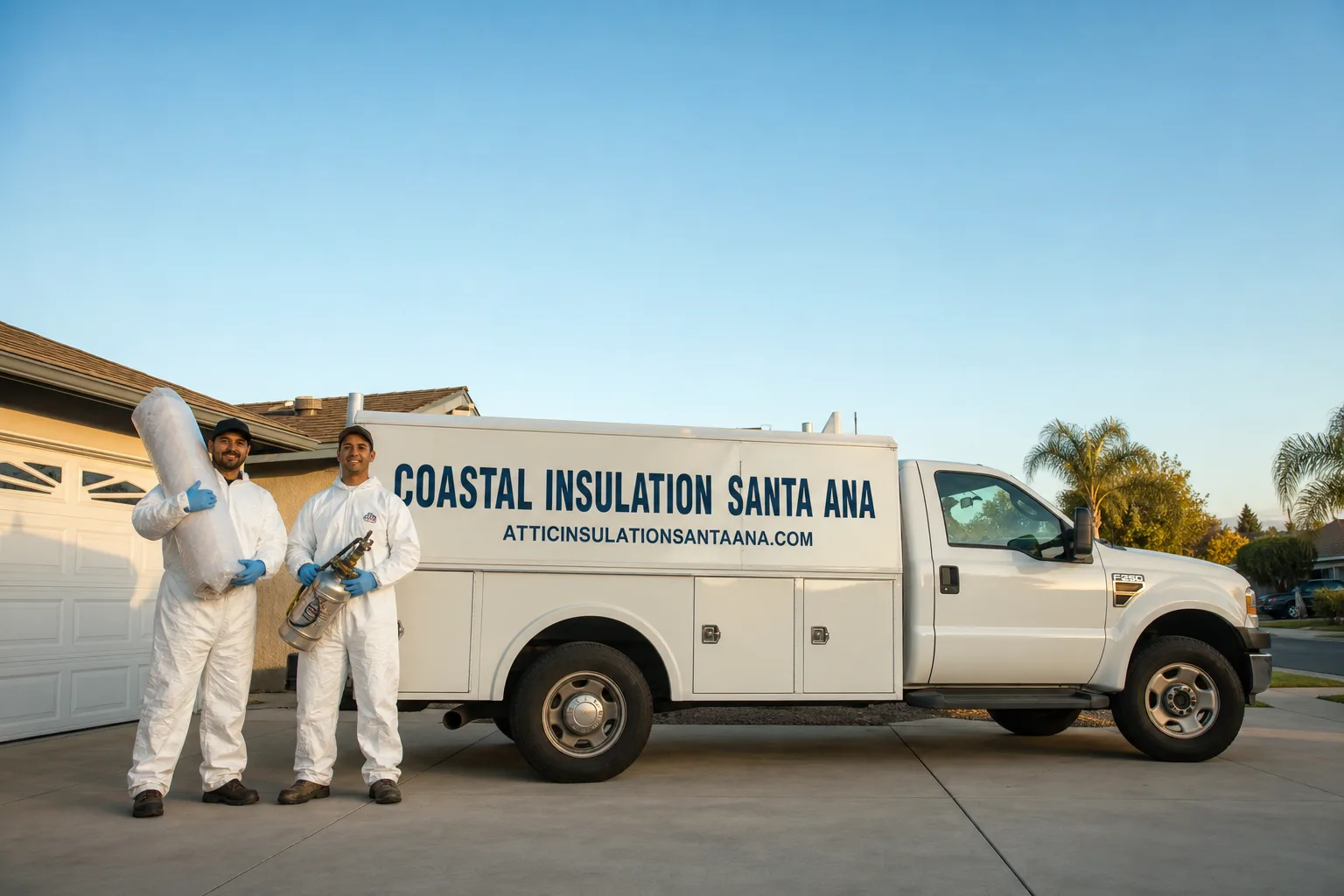
Fast, Reliable Crawl Space Encapsulation & Vapor Barrier Across La Habra
Crawl space encapsulation in La Habra typically costs between $4,500 and $12,000 depending on square footage and whether the existing vapor barrier has failed, and most projects take two to three days from cleanout to final sealing. We work throughout La Habra, from the flat streets south of Whittier Boulevard up to the hillside lots backing against the Puente Hills. You can reach Ruben directly at (714) 793-0570 to schedule a crawl space inspection, and he’ll walk the space with you before any quote is written.
What makes La Habra different from Huntington Beach or Seal Beach isn’t the ocean. It’s the two-season swing. Our inland position at the base of the Puente Hills means we get the full force of Santa Ana winds in fall and winter, followed by winter rain events that push moisture up through clay-heavy soil. That cycle beats up vapor barriers in ways coastal contractors rarely see. We build encapsulation systems specifically for that pattern.
Why Coastal Insulation Santa Ana Is La Habra’s Preferred Crawl Space Encapsulation & Vapor Barrier Company
Ruben Castellano owns Coastal Insulation and personally installs or directly oversees every crawl space encapsulation job we take in La Habra. That is not a figure of speech. The person who measures your crawl space, writes your quote, and explains why your vapor barrier failed is the same person under the house with the liner, butyl tape, and mechanical fasteners. There’s no unsupervised crew, no office manager relaying messages, and no gap between what was promised and what gets installed.
We’ve worked on postwar tract homes across La Habra, from the 1948-1960 builds near La Habra Boulevard to the 1970s subdivisions east toward Harbor Boulevard. Those houses share a construction pattern: wood-frame stucco over a raised foundation, original 6-mil polyethylene vapor barrier if any, unsealed crawl space vents, and no perimeter insulation. Homeowners call us when they walk into a bedroom and smell must, or when a home inspector flags standing water under the house after winter rains. Our Crawl Space Encapsulation & Vapor Barrier work starts with figuring out where the moisture is actually coming from, because sealing a crawl space without fixing the source just traps the problem.
Response time to La Habra from our Santa Ana shop is usually same-week for inspections and within ten days for full encapsulation starts, depending on scope. For homes with active standing water or exposed floor joists collecting condensation, we prioritize emergency moisture control calls. Call (714) 793-0570 and ask for Ruben.
Our Crawl Space Encapsulation & Vapor Barrier Services in La Habra
Every house gets a different failure pattern depending on where it sits in La Habra. A flat-lot home near Imperial Highway has different wind exposure than a hillside property off West Road. We adjust materials and sealing methods accordingly. Here’s what we do most often in La Habra.
Crawl Space Vapor Barrier
Standard 6-mil polyethylene does not hold up in La Habra’s clay soil and Santa Ana wind environment. We see punctures from wind-driven grit entering through unsealed vents, tears along foundation seams where soil contraction pulls the barrier apart, and general degradation from moisture cycling. We specify 12-mil reinforced polyethylene for most La Habra crawl spaces and seal every seam with butyl tape and mechanical fasteners against the foundation wall. The goal is a continuous barrier that stays put through dry-wind season and wet-winter season alike.
Crawl Space Encapsulation
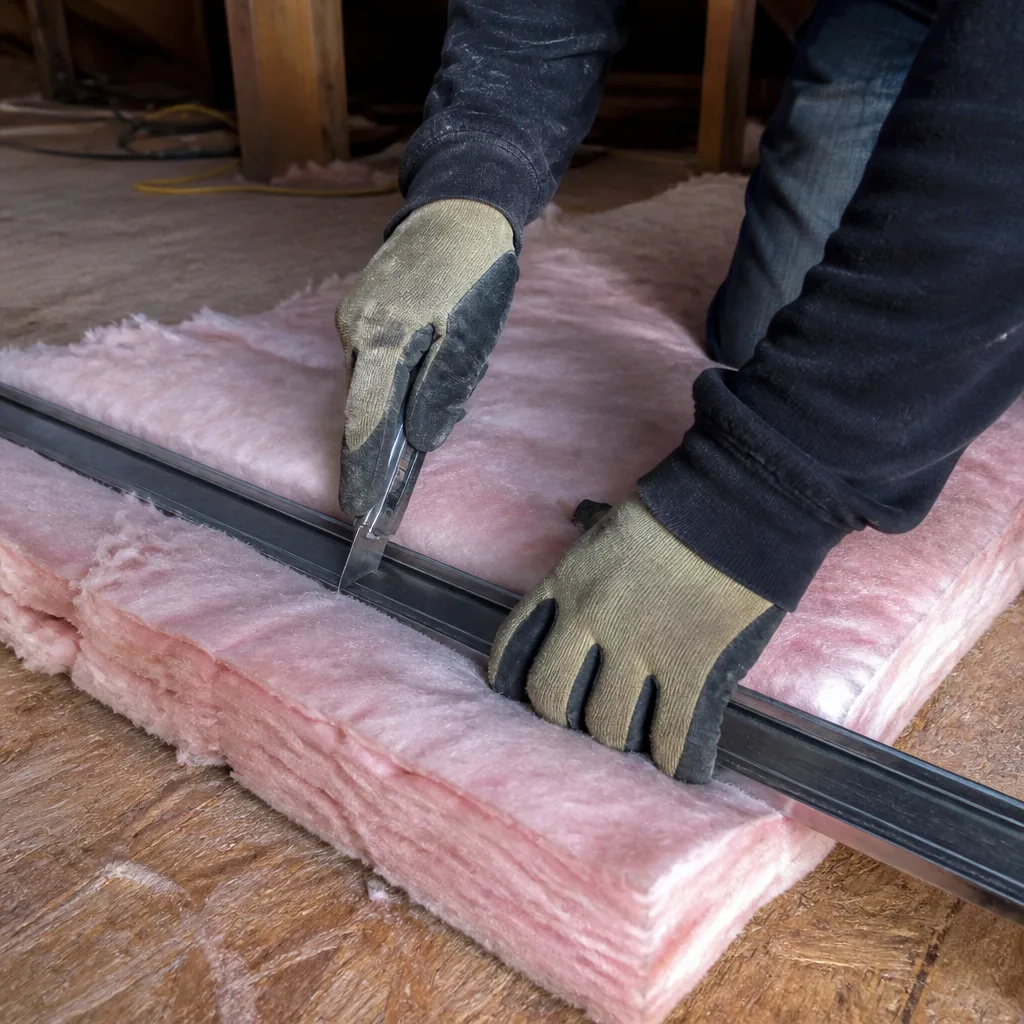
Full encapsulation goes beyond laying a liner. We seal foundation vents, wrap piers, insulate perimeter walls where needed, and create a conditioned or semi-conditioned space that stops the two-season moisture cycle at the source. On La Habra homes backing up to the Puente Hills slope, we add vent covers rated for wind-driven air, because standard vent sealing fails when Santa Ana gusts channel directly against the foundation. This is the kind of local detailing you only learn by working under enough La Habra houses.
Crawl Space Insulation
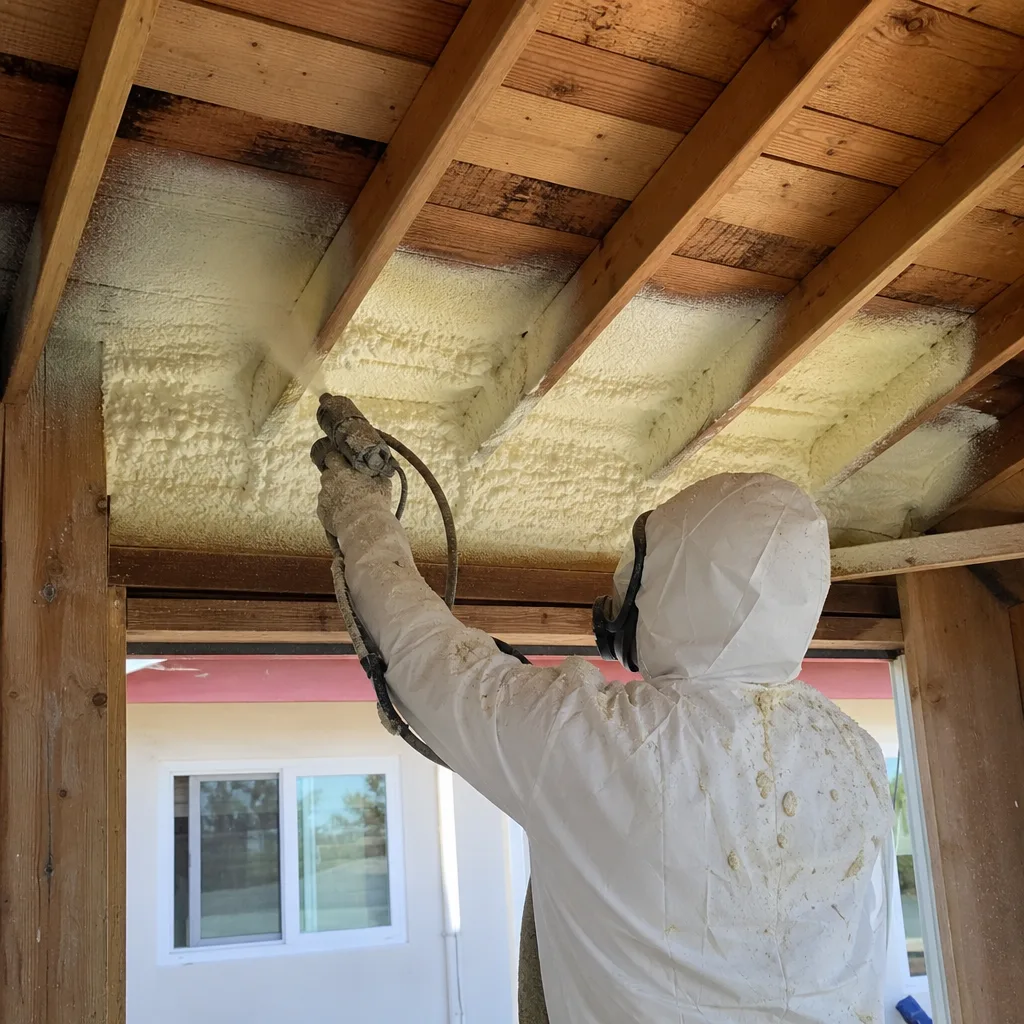
Most pre-1978 La Habra tract homes have no insulation in the crawl space at all, or fiberglass batts that have slumped, been chewed through by rodents, or absorbed so much moisture they’ve lost all R-value. We remove the old material and install closed-cell spray foam or rigid foam board on the perimeter walls in encapsulated spaces, or fresh unfaced batts between floor joists in vented crawl spaces. The right product depends on whether you’re encapsulating or keeping the space vented. We work with Johns Manville and Rockwool products for these applications because their moisture resistance holds up better in the clay-soil conditions common under La Habra homes.
Crawl Space Moisture Control
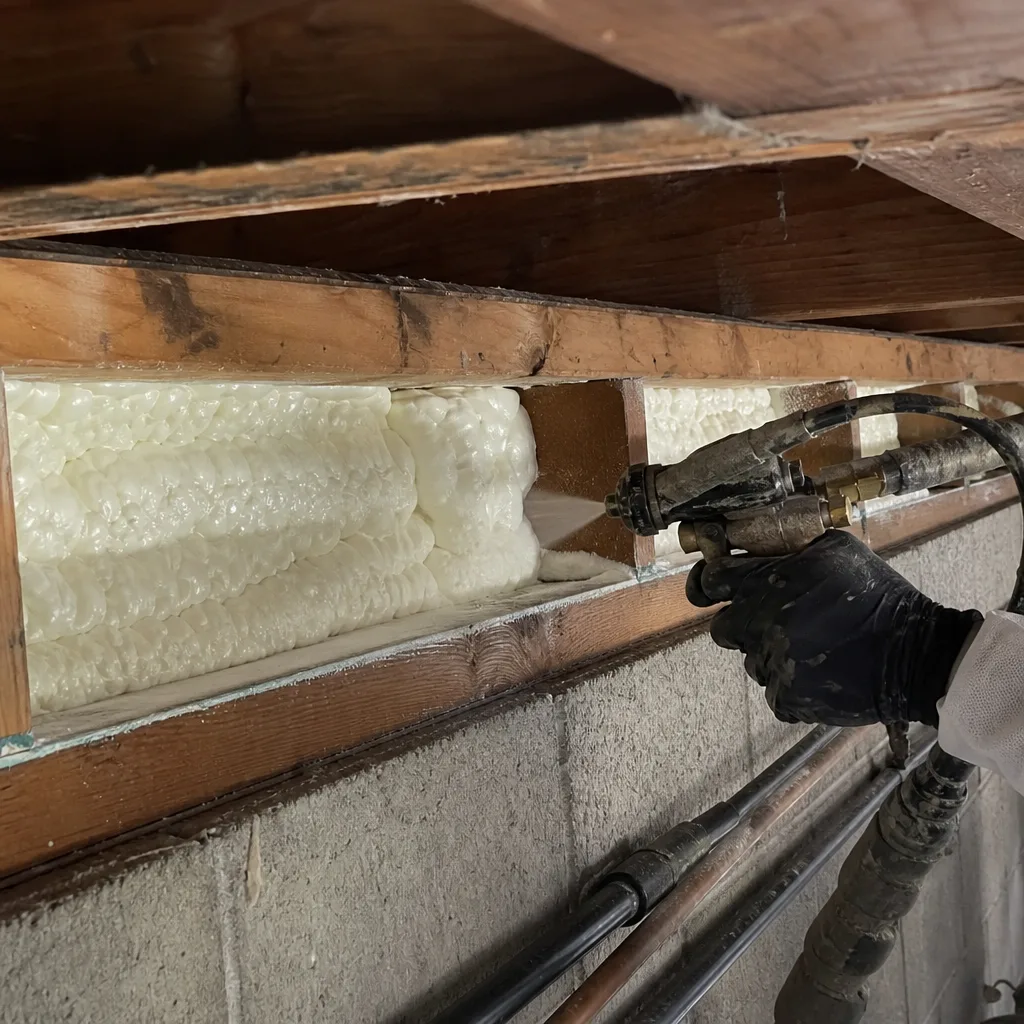
La Habra’s winter rains push water through clay-heavy soil and up against foundation walls. When that moisture meets an unsealed crawl space, condensation forms on the underside of floor joists during cool nights. We install drainage matting, sump pumps where grade requires, and dehumidification systems in encapsulated spaces where the soil moisture load is too high for a barrier alone. The fix is never just “lay down some plastic.” It’s managing the water cycle that La Habra’s soil and weather created.
What happens when you call
- 1
A real person answersNo phone trees — you reach a local pro.
- 2
You get an upfront price rangeHonest numbers before anyone is dispatched.
- 3
A background-checked tech heads outLicensed & insured, dispatched right away.
- 4
You approve before work beginsNothing starts until you say go.
Trusted Brands We Service in La Habra
We stock and install vapor barrier and insulation products from Johns Manville, Knauf, and CertainTeed. We use Johns Manville reinforced poly liners for most La Habra encapsulation work because the material resists puncturing from gravel and construction debris better than thinner alternatives. Rockwool perimeter insulation goes into crawl spaces where fire resistance and moisture tolerance both matter, which is a real concern in older tract homes with original wood framing. We keep common liner widths, tapes, and mechanical fasteners on hand so La Habra jobs don’t stall waiting on a truck from a distribution center.
Common Crawl Space Encapsulation & Vapor Barrier Problems We See in La Habra Homes
- Wind-punctured vapor barriers on Puente Hills-adjacent streets. Santa Ana winds channel directly against the crawl space vents on homes north of Whittier Boulevard, driving dust and grit through the openings. That abrasive material lands on the vapor barrier, and over two or three wind seasons it punctures 6-mil poly in dozens of places. Homes a few blocks south on flat ground rarely show this failure pattern, which is how we know it’s wind-driven and not just age.
- Soil contraction pulling barrier seams apart. La Habra sits on clay-rich soil that expands when wet and contracts dramatically during dry Santa Ana periods. That seasonal movement pulls vapor barrier seams away from foundation walls, especially when the barrier was originally tucked under the sill plate with no mechanical fastening. Once the seam opens, soil moisture migrates into the crawl space with nothing stopping it.
- Condensation on joists in uninsulated postwar crawl spaces. Homes built between 1948 and 1978 in La Habra typically have open crawl spaces with no perimeter insulation. During winter, cool night air meets the warm underside of the floor above, and condensation forms on the joists. That moisture supports mold growth even when the vapor barrier itself is intact, which is why we almost always recommend perimeter insulation as part of a La Habra encapsulation project.
- Standing water after winter rains. La Habra’s flat lots and clay soil don’t drain well, especially in the older neighborhoods south of La Habra Boulevard. After a week of winter rain, water pools in low spots under the house, lifting vapor barriers and leaving silt behind when it finally recedes. We regrade the crawl space floor with a sand base and, where needed, install a sump pump before the new liner goes down.
Pricing for Crawl Space Encapsulation & Vapor Barrier in La Habra, CA
Crawl space vapor barrier replacement in La Habra runs $2,800 to $6,500 for a typical 1,200 to 1,600 square foot crawl space, depending on whether the old barrier needs full removal and whether damaged insulation must come out first. Full encapsulation with perimeter insulation, vent sealing, and a 12-mil reinforced liner runs $6,000 to $12,500. Crawl space cleanout before encapsulation adds $500 to $1,800 depending on debris volume, rodent contamination, and whether the space is accessible standing-height or requires low-clearance work. Homes near the Puente Hills slope with wind-driven vent damage typically need vent covers added, which adds $40 to $90 per vent installed. Every quote includes a written scope of work tied to what Ruben finds under your house, not a square-footage multiplier pulled from a price sheet. Call (714) 793-0570 for a free in-person estimate.
We Also Serve Cities Near La Habra
Beyond La Habra, our La Habra service area includes Brea, Placentia, Buena Park, and La Palma. The crawl space conditions in these neighboring cities differ enough that we adjust specifications accordingly, but the same owner-led crew handles every job. If you’re in one of those cities, call Ruben at (714) 793-0570 and he’ll schedule a walkthrough.
Serving La Habra, CA — Our Local Coverage Area
We’re based in the La Habra area and know this community well. Use the map below to see our service coverage — if you’re nearby, we can almost certainly help.
FAQs — Crawl Space Encapsulation & Vapor Barrier in La Habra
Coastal cities stay damp and cool year-round, so the primary vapor barrier failure is slow degradation from constant moisture. La Habra swings between extreme dryness during Santa Ana winds and elevated soil moisture after winter rains, which stresses the barrier through physical movement rather than just moisture exposure. We specify 12-mil reinforced polyethylene with mechanical fastening at the foundation wall for La Habra work because standard 6-mil poly will not survive the seasonal soil contraction and wind-driven grit that our inland microclimate produces. Call (714) 793-0570 to have Ruben assess your specific crawl space conditions.
Santa Ana winds channel directly against the foundation vents of homes on La Habra’s northern streets backing up to the Puente Hills slope, driving dust and grit through the vent openings and onto the vapor barrier. Over repeated wind events, that abrasive material punctures the liner and the wind pressure itself can lift edges. We install wind-rated vent covers and use heavier-gauge liner material on these hillside-adjacent properties. Homes on flat ground several blocks south rarely require the same vent hardening.
Yes, almost universally. Homes built between 1948 and 1978 in La Habra have had decades for construction debris, rodent droppings, dead insects, and wind-blown dust to accumulate in the crawl space. Many also have original fiberglass batts that have been contaminated by rodents or saturated by moisture. Encapsulating over that material traps the contamination and creates a worse indoor air problem. We remove everything down to bare soil, treat the space for moisture and any biological growth, and only then begin the encapsulation process. This is the step that gets skipped by contractors who just roll liner over whatever’s already down there.
The clay-rich soil under La Habra tract homes expands when it absorbs winter rain, pushing the barrier up and away from the foundation wall if it wasn’t mechanically fastened. When the soil dries during the following Santa Ana period, it contracts and pulls the barrier seams further apart. The combination of these two movements means any barrier that is simply laid on the ground and tucked at the edges will fail. Our installations use mechanical fasteners and butyl tape at the foundation wall, along with a sand leveling base, so the liner stays anchored through the full wet-dry cycle. Call (714) 793-0570 for a free crawl space inspection and quote.
Yes, and in La Habra the bigger efficiency gain is on the cooling side. Encapsulating the crawl space removes a source of humid air that forces your air conditioner to work harder during summer, when La Habra routinely hits 95 to 100 degrees. The sealed and insulated perimeter also stops hot outside air from entering the crawl space and radiating up through the floor. During winter, even mild cold nights stop causing condensation on joists, which means your heating system isn’t fighting latent moisture load. The efficiency improvement comes from removing a year-round moisture and air-infiltration source, not from extreme seasonal heating demand.
Written by Ruben Castellano, Owner at Coastal Insulation Santa Ana, serving La Habra and surrounding Orange County communities.